Mobile App Development: What 50+ Apps Taught Us (Mostly by Failing)
Here's a number we don't usually lead with: most of our apps never took off.

Mobile App Development: What 50+ Apps Taught Us (Mostly by Failing)
Published October 5, 2026 · Apprika Labs
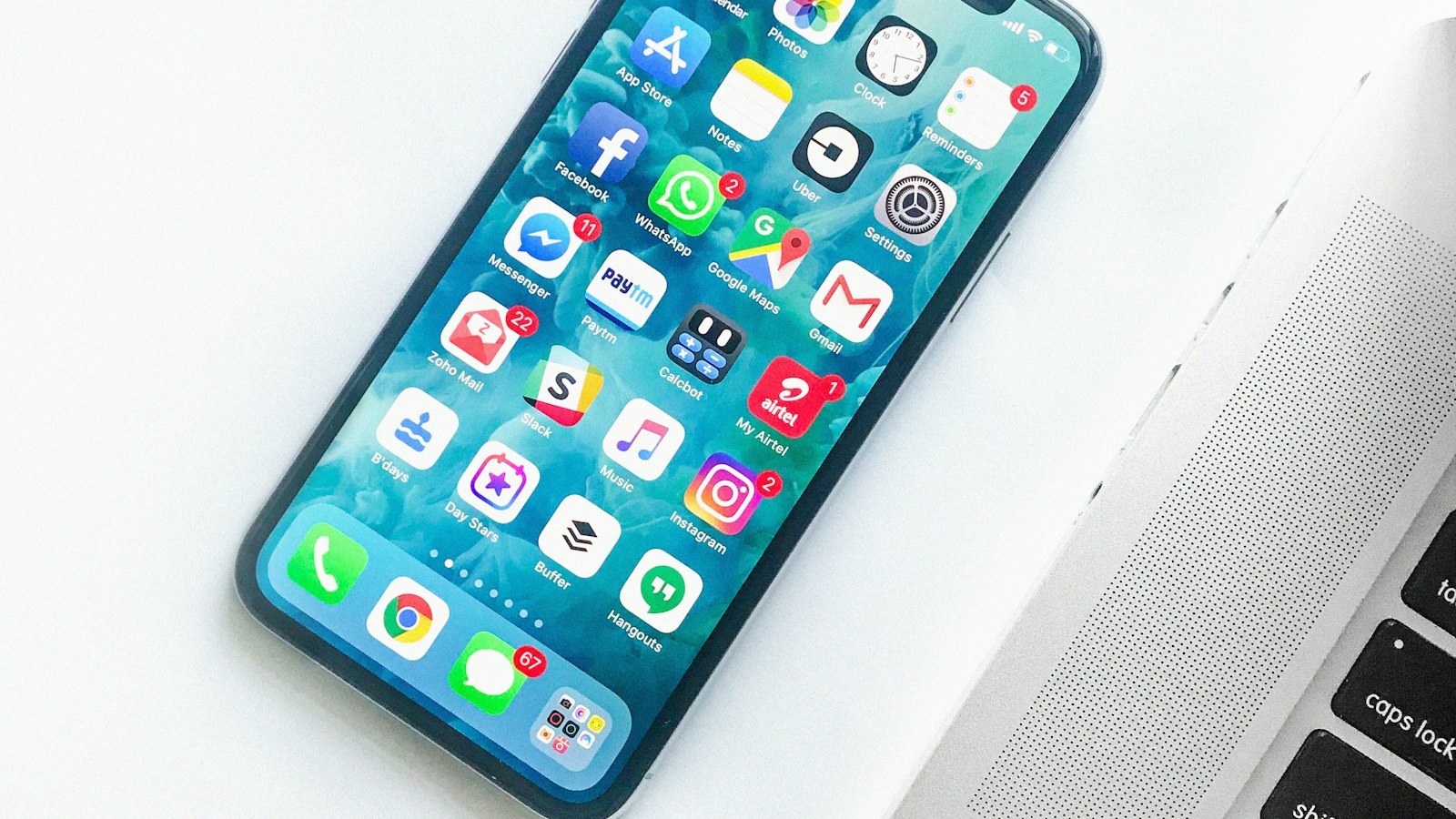
Photo via Unsplash.
Lesson 1: We built what we wanted, not what people searched for
We've shipped more than 50 apps. Together they've been downloaded about 931,000 times, almost all of it organic. That sounds good until you do the math. A few apps carried most of that weight. The rest found a small crowd, or no crowd at all.
We're not proud of every one. But we learned more from the quiet launches than from the hits. If you're about to spend real money on mobile app development, those lessons are worth more to you than our highlight reel.
Early on, we'd get excited about an idea, build it over a few weekends and ship it. Then nothing. No one was looking for it.
The apps that worked had one thing in common. Someone was already typing the problem into a search bar. "Send invoice from phone." "Book salon clients." They had pain and they had words for it.
What we do now: before a line of code, we check whether real people search for the problem, and what words they use. If the demand isn't there, we tell you. Even if it costs us the project.
Lesson 2: The first version was always too big
We used to treat launch day like a final exam. Every feature in, every edge case covered. It took months. By the time we shipped, we'd guessed wrong about half of what users wanted.
Our better apps launched thin. One job, done well. Then we listened.
What we do now: we scope the smallest version that proves the idea, ship it in weeks, and let users vote with their thumbs.
Lesson 3: Downloads are vanity. Day 30 is the truth.
An app can get 10,000 downloads and still be dead. If people open it once and never return, the number means nothing.
We've had apps like that. Spikes that looked great in a screenshot and meant zero to the business.
What we do now: we track who comes back. Onboarding, first win, second visit. If a user doesn't get value in the first minute, we fix that before we add anything else.
Lesson 4: Native still matters more than people admit
Cross-platform tools are good and getting better. We use them. But on iPhone, users can feel when an app is a guest instead of a native. Scroll, haptics, camera, wallet, widgets. Those details decide whether someone keeps your app or deletes it.
What we do now: we pick the stack per project, and we'll tell you honestly when going native is worth the extra cost and when it isn't.
Lesson 5: Nobody tells you about year two
Apple ships a new iPhone and a new iOS every fall. Android splinters across thousands of devices. APIs change. Permissions tighten. An app that nobody maintains starts to rot within months.
Some of our older apps show that rot. We know what neglect looks like because we've been guilty of it.
What we do now: every build comes with a plan for after launch. Who updates it, how often and what it costs.
Where this leaves us, and you
We're a consumer app studio that is now building for businesses. Our first B2B contract is Skolr, a school operations platform. We're new at enterprise. We won't pretend otherwise.
But here's what fifteen years of public, unforgiving App Store feedback gives us. We know users don't read manuals. We know they delete slow apps. We know a confusing screen costs more than a missing feature. Your staff and your customers behave the same way.
If you want a team that has made the mistakes on its own dime, so it doesn't make them on yours, that's us.
Apprika Labs builds native iOS, Android and web apps for Canadian businesses.
Questions people ask
How long does mobile app development take?
A focused first version usually takes 6 to 12 weeks. Bigger platforms take longer. We'd rather ship something small and real than something large and late.
How much does it cost to build an app in Canada?
It depends on scope, but most first versions land between a small and a mid five-figure budget. We give you a written scope and price before any work starts.
Should I build for iPhone or Android first?
Look at where your users are. In Canada, iPhone has a strong share, and iPhone users tend to spend more in apps. For many businesses that makes iOS the right first step, but not always.
Do you maintain apps after launch?
Yes. Every project includes a plan for updates, new OS versions and support.
Related
- ChatGPT vs Claude vs Gemini for Business: Which One Should You Build On?
- What Is a Forward Deployed Engineer? And Does Your Business Need One?
- 931,000 Downloads Without Ads: What Organic Growth Really Takes
- The Lancet Says the Problem Is Design. We Make Apps. Let's Talk About That.
- Cybersecurity Tips for Small Businesses (From People Who Used to Cut Corners)
- Too Much AI News? Here's What Actually Matters for Your Business
- When the Power Goes Out, Does Your Business App Still Work?
- Why Is Filing Taxes in Canada Still This Hard?
- Ticketmaster, Monopolies and Why a Messier Market Might Have Been Better
- All news
- Aurakil: forward-deployed engineering
- Contact
How we work
1
Discovery call & scope
A short call, a written plan and a fixed first milestone.
2
Roadmap & design
We map the product, the brand and the agent flows together.
3
Ship weekly
Working software in your hands every week. Demos, not decks.
4
Own it, or we run it
Everything is handed over to you, or we keep operating it for you.




Turn ideas
into software
people keep


Web & mobile apps, blockchain, AI agents & custom models, brand design and social media—one studio, one team.
Replies within one business day